



GACS Guidelines
How Remote helps solve the GACS issue
GACS Guidelines
From Jan. 1, 2026, buildings with heating or air conditioning installations that have a rated output of 290 kW or more will be required to have a GACS that meets specific requirements. From the introduction of EPBD IV, this obligation will apply to installations of 70 kW or more.
The performance of a GACS is described in standard NEN-EN-ISO 52120. The 2012 Building Code provides more information on the GACS requirement and the related European standard.
Assessing a GACS according to the NEN-EN-ISO 52120 standard is a complex task for enforcers. Therefore, a checklist has been developed with checkpoints to enable a streamlined and simple assessment. This checklist helps to quickly assess whether a GACS is likely to meet the requirements.
The GACS Technical Requirements Checklist
is available through the website of the RFO.
How Remote helps solve the GACS issue
Our remote access solutions ensure that every building can comply with GACS requirements, even if a building has an outdated building management system (BMS). We make legacy building installations smarter with our equipment, so they can last much longer than expected in a new technical environment.
For example, Remote has ensured that
BAM
can communicate with aging facilities without purchasing expensive new equipment or software.
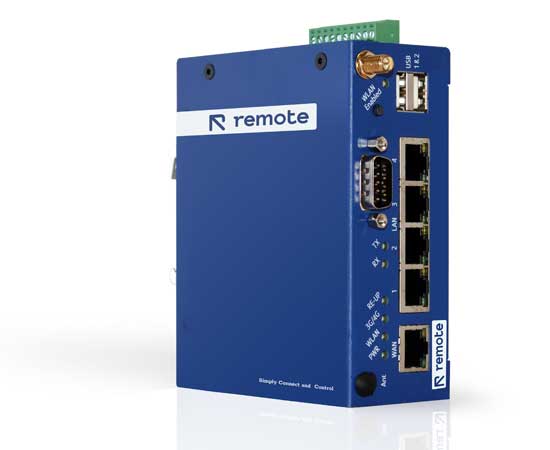
Make legacy systems GACS-proof with Remote
Wondering how we do this?
Please contact us
us for an informal conversation.